
UK packaging machinery support 01494 623015

Bottle feeding machines

Bottle feeding machines for filling, capping and labelling lines

Bottle feeding is often the difference between a machine that is fast on paper and a line that runs consistently in production.

Specification advice

Choose the machine route around the bottle and the line.

Feeding empty bottles into a production line

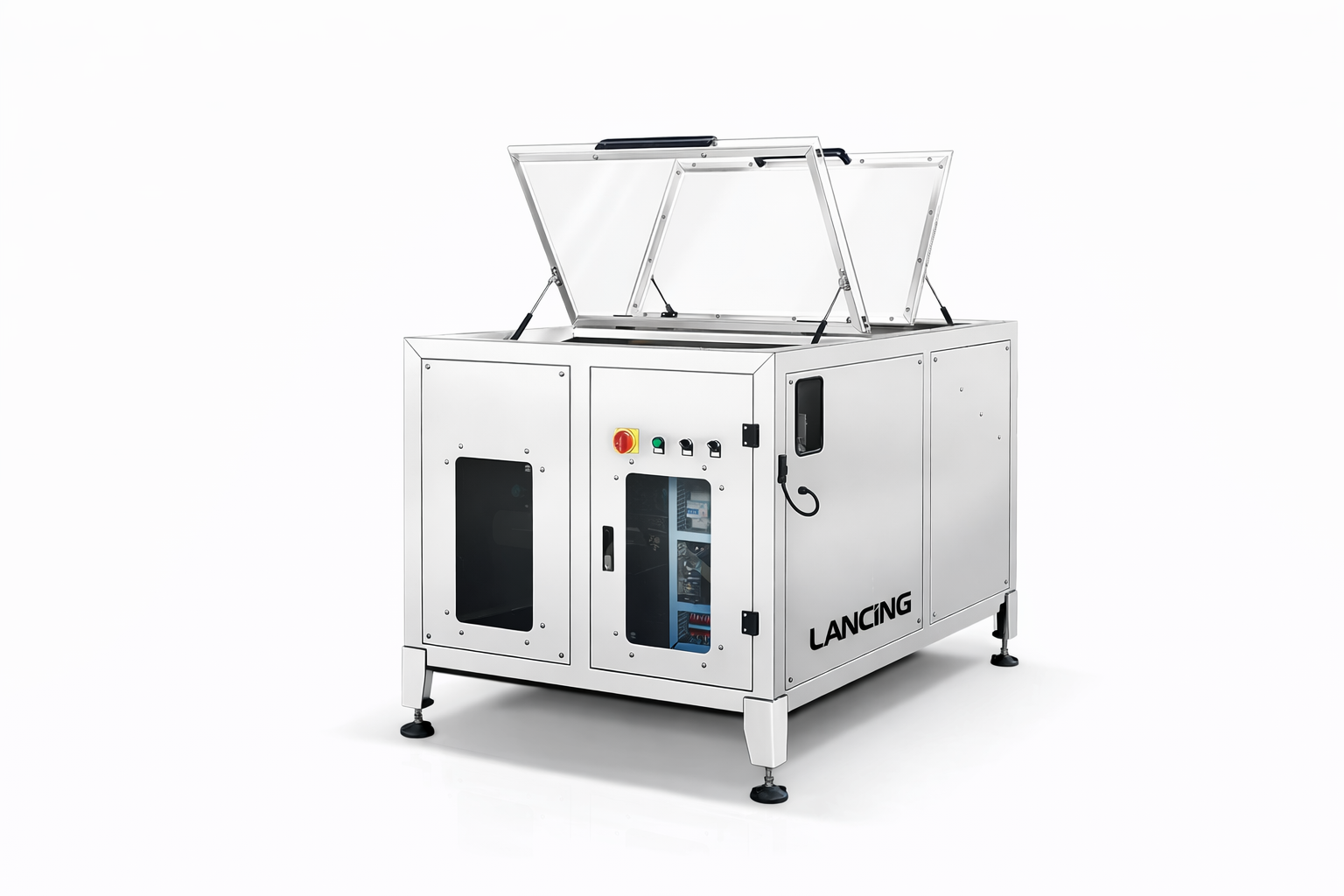
Bottle feeding equipment helps present empty containers to the first powered machine in a controlled way. Depending on the bottle, this may involve a rotary feed table, bottle unscrambler, accumulation table, conveyor infeed or a complete handling section.
Reducing operator intervention

If an operator is constantly correcting bottles by hand, the line is vulnerable to stoppages and inconsistent output. A better infeed arrangement can reduce manual correction and help downstream equipment run closer to its real capability.

Integration with packaging machinery

Lancing UK can review bottle feeding in relation to filling, capping, labelling, coding, induction sealing, conveyors and accumulation. The aim is to choose the simplest route that gives reliable flow.

Lancing UK support

Send bottle details and target output for a practical shortlist.

Lancing UK can review the bottle format, downstream machinery and available floor space before recommending a compact rotary bottle feeder, automatic bottle unscrambler or wider infeed solution.

Request a bottle unscrambler shortlist
Automatic bottle unscrambler machinery

Questions

Common specification questions.

What is the difference between bottle feeding and bottle unscrambling?

Bottle feeding is the wider process of delivering bottles into a line. Bottle unscrambling is a specific machine route used to arrange bottles from bulk or semi-bulk loading into a controlled outfeed.

Can bottle feeding be improved on an existing line?

Yes. Many improvements are made by changing accumulation, conveyor layout, side guides, outfeed transfer and infeed equipment.

Bottle feeding selector

Choose the lowest-complexity route that controls the real bottle reliably.

Bottle feeding can mean accumulation, single-file delivery, automatic arrangement, orientation or a complete conveyor interface. Define the problem before choosing the equipment name.

Primary requirementStarting routeEvidence to collectSpecialist owner where different
Automatic arrangement of small plastic bottlesAutomatic bottle unscramblerSample bottles, orientation video, sustained feed, stop/restart and changeover evidence.BottleUnscramblers.co.uk
Compact accumulation and controlled bottle deliveryRotary bottle unscramblerStability, contact pressure, outfeed transfer and blocked-outfeed recovery.BottleUnscramblers.co.uk
Conveyor type, accumulation length or transfer layoutConveyor system reviewLine layout, working heights, bottle stability and machine speeds.Packaging Conveyors UK
Container cleaning before fillingBottle-rinsing reviewContainer, rinse method, utilities, drainage and filler interface.Bottle Rinsers UK
Cap, pump or trigger presentationClosure-feeding reviewClosure samples, orientation, capper interface and target rate.Cap Feeders UK / Bowl Feeders UK
Complete filling, capping and labelling lineIntegrated line specificationProduct, pack, closures, labels, output, utilities, footprint and acceptance plan.Packaging Lines UK

Evidence package

Build the machine shortlist from bottle and line evidence.

1

Bottle set

Provide the smallest, largest and least stable empty bottles, with material and empty weight.

2

Production demand

State sustained output, batch pattern, downstream machine rate and expected stops.

3

Layout

Confirm conveyor height, direction, footprint, guarding and operator loading access.

4

Trial record

Record orientation, stability, scuffing, transfer, restart, recovery and changeover findings.

Bottle feeding questions

Questions that define the machinery route.

Is bottle feeding the same as bottle unscrambling?

Bottle feeding is the wider task of supplying containers to a line. Unscrambling is a specific route for turning disordered bottles into a controlled outfeed.

When is simple accumulation enough?

It may be enough when bottles are stable, orientation is not required and the main need is a compact buffer before the next machine.

When should real bottle samples be mandatory?

Use samples whenever bottles are lightweight, tall, soft, shaped, handled, presentation-sensitive or part of a wide changeover range.

What should a bottle feeding video show?

Show loading, movement through the feeder, outfeed presentation, conveyor transfer, a normal stop/restart and any weak point such as crowding or tipping.

How are specialist Lancing domains used without duplicating content?

This site owns bottle unscrambling and feeding. Conveyor, rinsing, cap-feeding and complete-line details are linked to the Lancing domain that specialises in that requirement.

What is the best first enquiry?

Send bottle dimensions and photos, sustained output, downstream equipment, conveyor height, footprint and a short description of the current bottleneck.

Comparable quotations

Use one evidence schedule when comparing bottle feeding proposals.

Two quotations can describe different machine boundaries while using similar language. A common schedule makes it clear which supplier is responsible for loading, presentation, transfer, controls, changeover and the trial evidence needed before handover.

Comparison itemWhat the proposal should stateEvidence before final acceptance
Machine boundaryWhere bottle loading begins, where controlled outfeed ends and which conveyor or transfer components are included.Layout with mechanical handover points and responsibilities marked.
Bottle familyApproved formats, governing bottle extremes, adjustments and any dedicated change parts.Bottle matrix, settings record and result for the least stable format.
Sustained demandRequired production flow and the downstream machine rate, including normal short stops.Trial sequence showing normal feed, stop, restart and recovery.
Controls interfaceDownstream demand, sensors, stop/start behaviour and responsibility for the electrical handover.Interface schedule and observed response during the agreed test.
Bottle conditionAcceptable stability, presentation, surface condition and deformation after the agreed route.Before/after samples, photographs and recorded observations.
Handover informationSettings, change parts, operating method, recovery method and unresolved actions.Approved settings sheet and acceptance record for the tested bottle family.

Use the machine comparison for model data, the buyer guide for the quotation brief and the integration page for conveyor and controls boundaries.

Do not compare proposals by quoted speed alone. A lower-complexity route may be the better production choice when it controls the bottle reliably, changes over repeatably and fits the retained line. Conversely, a compact machine is not good value if it transfers the problem to an operator or to the next conveyor. Compare the complete evidence boundary, including what is excluded from the supplier scope.

Where two routes remain viable, use the same bottle set and stop/restart sequence for both demonstrations so the comparison is based on matching evidence.

Scope boundary

Compare bottle-feeding proposals on the same mechanical, controls and evidence schedule.

Two proposals can use the same machine label while including different conveyors, controls, change parts and acceptance evidence. A common schedule makes the commercial comparison more useful.

Schedule itemQuestions for the proposalEvidence before handover
Bottle familyWhich exact formats are included, and which require separate settings or change parts?Approved bottle schedule and retained trial samples.
Machine routeIs the scope a rotary feeder, automatic unscrambler or a broader conveyor/infeed package?Layout showing loading point, machine boundary, outfeed and downstream handover.
ControlsWho supplies backup sensors, stop/start signals and speed coordination?Cause-and-effect record for run, stop, backup, fault and reset conditions.
Trial and acceptanceWhich bottles, run conditions, stops and inspections will be witnessed?Video, settings sheet, jam/recovery log and surface-condition record.
Changeover and operator workWhat changes, what tools are needed and which settings must be recorded?Repeatable changeover demonstration and signed production handover.

For conveyor-owned requirements use Packaging Conveyors UK. Keep bottle orientation, feed-route selection and sample trials on this site.

Operator and handover questions

Questions buyers ask about operating a bottle feeding machine day to day.

These questions help distinguish a machine that can run a demonstration from an infeed route that production can load, inspect, change and recover consistently.

Does the operator loading method affect bottle feeder selection?

Yes. Bottle source, replenishment pattern, batch size, loading height and operator visibility can change crowding, overlap, static and bottle contact. The intended loading method should be stated in the enquiry and reproduced during trials so the feeder is not selected under an artificial one-bottle-at-a-time condition.

What should a buyer ask about access, replenishment and safe clearing?

Ask where the operator loads bottles, how bottle level is monitored, which guards open for routine tasks, how cleaning and inspection are performed, and how a blockage is cleared under the agreed safe state. Check that nearby conveyors and machines do not obstruct normal work or change-part removal.

How is ownership transferred from the project team to production?

Use a handover pack that connects the approved bottles to their settings, change parts, loading method, normal controls, stop/restart behaviour, recovery sequence and inspection checks. Production training should use the final installed line and the same documents that will be retained after commissioning.

When does a bottle feeder need a wider infeed-scope review?

A wider review is appropriate when the bottleneck involves conveyors, accumulation, upstream bottle supply, downstream backup, control signals or difficult transfers rather than the feeder alone. The machine should not be quoted as an isolated fix when another retained element controls bottle flow or access.

Request a bottle unscrambler shortlist

Specification support

Send the bottle format and line speed. Get a sensible machine shortlist.

Lancing UK can advise whether a compact rotary unscrambler, automatic bottle unscrambler or wider line-infeed package is the correct route.

Request a bottle unscrambler shortlist
Call now