
UK packaging machinery support 01494 623015

Plastic bottle unscrambler

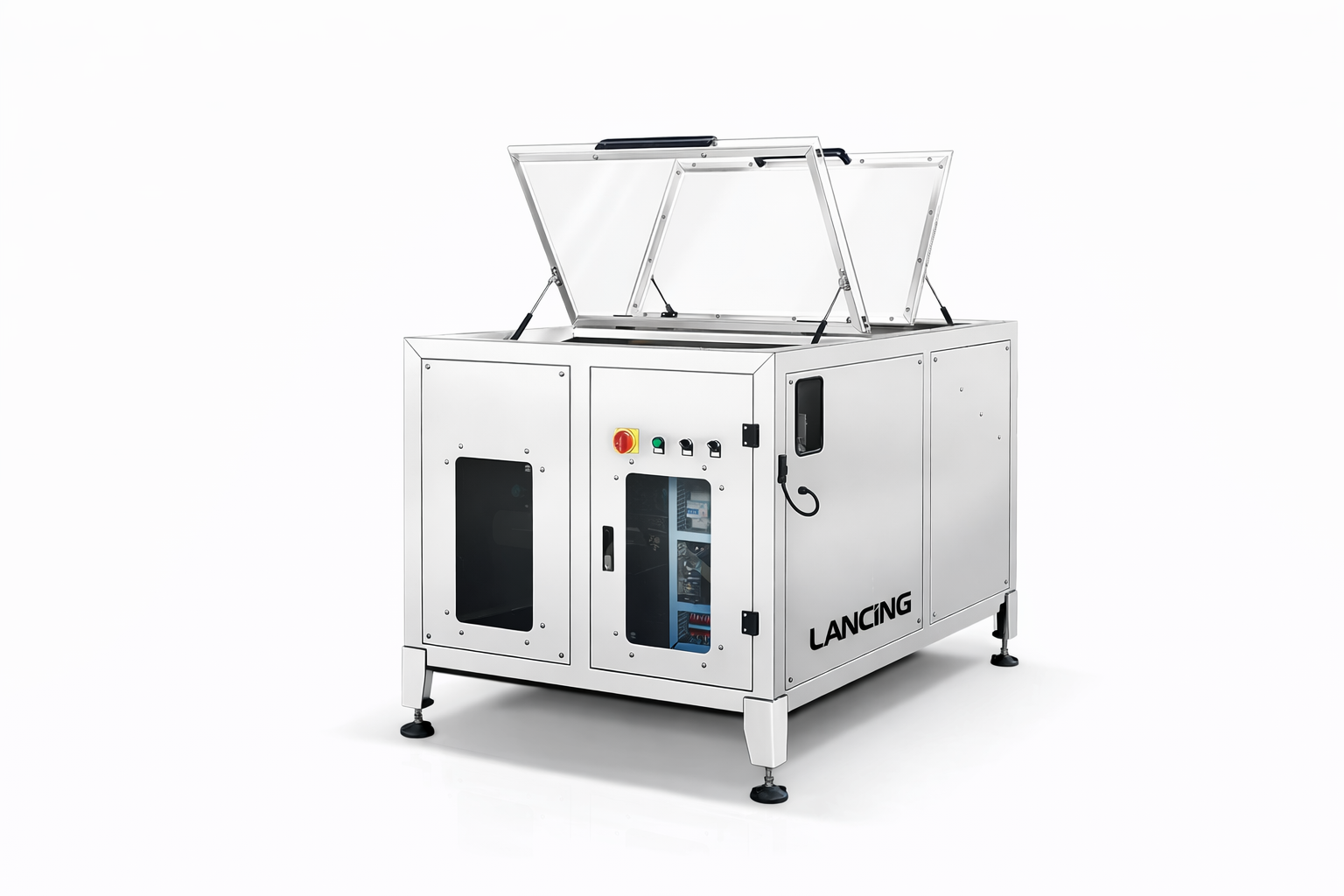
Plastic bottle unscrambler machinery for empty plastic containers

Empty plastic bottles are light, variable and easily disturbed, so the unscrambler route must be matched to the bottle rather than chosen from headline speed alone.

Specification advice

Choose the machine route around the bottle and the line.

Why plastic bottles need careful handling

Plastic bottles can tip, bridge, scuff or behave differently depending on weight, shape, base design and static. This makes real bottle testing and careful line layout important when specifying an unscrambler.
Formats to check

Provide the bottle diameter, height, neck finish, material, empty weight, shoulder shape, base stability and photos or samples. The same machine may behave differently with round, oval, rectangular or lightweight bottles.

Production environments

Plastic bottle unscramblers are commonly used for cosmetics, household chemicals, food and drink, oils, lubricants, healthcare-style products and contract packing lines.

Lancing UK support

Send bottle details and target output for a practical shortlist.

Lancing UK can review the bottle format, downstream machinery and available floor space before recommending a compact rotary bottle feeder, automatic bottle unscrambler or wider infeed solution.

Request a bottle unscrambler shortlist
Automatic bottle unscrambler machinery

Questions

Common specification questions.

Do lightweight plastic bottles need special checks?

Yes. Lightweight bottles can be affected by static, air movement, friction and transfer points, so samples should be reviewed before final specification.

Can one unscrambler handle multiple plastic bottle sizes?

Often yes, but the size range and changeover requirements must be checked before choosing the machine.

Plastic bottle behaviour

Material, geometry and empty-bottle stability decide the handling route.

Plastic bottles that look similar can behave differently when empty. Wall stiffness, base shape, centre of gravity, static and surface finish can affect loading, accumulation, orientation and transfer.

Bottle groupHandling risk to checkUseful trial evidenceRelated guide
PET bottlesLow empty weight, tall geometry, static and rapid acceleration at transfers.Tip resistance, guide contact, stop/restart and downstream handover.PET bottle guide
HDPE bottlesVariable wall stiffness, moulded handles, offset geometry and base stability.Sample-led feeding, crowding, guide adjustment and changeover extremes.HDPE bottle guide
Lightweight or soft bottlesDeformation under back pressure, scuffing and sensitivity to air movement.Clean-bottle inspection before/after, controlled accumulation and low-pressure transfer.Lightweight bottle guide
Oval, square or tall bottlesOrientation, corner contact, narrow base and presentation at the outfeed.Video evidence from loading to downstream transfer using the least stable format.Bottle geometry selector

Stability and damage trial

Inspect the bottle before, during and after the feed test.

Start with clean representative bottles and record any existing marks. Observe how bottles settle, contact one another, pass guides and transfer to the conveyor. After the trial, inspect the body, shoulder, base and decoration area for scuffing, whitening, distortion or marks that would affect presentation.

Include a controlled downstream stop so accumulation pressure can be reviewed, then restart the line and confirm that bottles recover without repeated tipping or bridging. The least stable format should set the acceptance boundary.

Use the sample-testing protocol

Material and empty-bottle weight

Base width and centre of gravity

Wall stiffness and deformation risk

Static or air-movement sensitivity

Surface scuffing and presentation

Downstream transfer and accumulation pressure

Plastic bottle questions

Questions to answer from samples rather than assumptions.

Are PET and HDPE bottles handled in the same way?

Not automatically. Empty weight, stiffness, base geometry, handles and surface finish can create different stability and transfer behaviour.

How should scuffing be checked?

Use clean samples, record the starting condition and inspect the same contact areas after a representative trial under suitable lighting.

Can soft plastic bottles tolerate accumulation?

Only after testing. Excess back pressure can deform a soft bottle or destabilise the queue, so the accumulation method should be agreed from samples.

Which bottle should define the machine setup?

The smallest, largest and least stable formats should be included. The most difficult bottle often defines the practical changeover range.

When is a conveyor redesign more important than the unscrambler?

When the principal failure is at a transfer, accumulation point or speed change, use Packaging Conveyors UK for the specialist conveyor route.

Surface and deformation trial

Inspect plastic bottles before and after realistic accumulation, contact and transfer.

Plastic bottle suitability is not proved by upright discharge alone. The trial should also check whether empty containers deform, scuff, polish, dent or become unstable after the contact conditions expected during production.

Inspection pointMethodRecordWhy it matters
Pre-trial referencePhotograph representative bottles under consistent lighting and identify visible panels, label areas and moulded features.Bottle ID, material, sample condition and any existing marks.Prevents existing sample damage being attributed to the machine trial.
Normal runningObserve bottle-to-bottle and bottle-to-guide contact during sustained feed and normal downstream backup.Contact zone, duration, guide setting and any deformation or hesitation.Shows whether the handling route is suitable for the bottle wall and surface finish.
Post-trial inspectionCompare the same bottle areas with the pre-trial reference after representative cycles.Scuffing, polishing, scratches, dents, label-panel distortion or loss of stability.Provides an agreed basis for accepting or refining the machine route.
Worst-format checkRepeat with the lightest, tallest, softest or most presentation-sensitive bottle.Format settings, failures and any change needed for safe production use.Prevents the easiest bottle from defining an unrealistic operating envelope.

Use the full bottle scuffing and damage trial guide and retain the result with the approved sample-test record.

Plastic bottle behaviour

Questions about plastic bottle variation, loading and post-trial condition.

Empty plastic bottles can vary in stiffness, static, surface condition and stability, so the trial and handover need to define the accepted bottle condition.

Why can the same plastic bottle format behave differently between production batches?

Empty plastic bottles can vary because of material distribution, wall stiffness, moulding variation, storage, temperature, surface condition and static charge. Even when the nominal dimensions are unchanged, the least stable or softest production sample may govern feeding behaviour. Representative samples should therefore cover normal variation rather than only one ideal bottle.

How should bottle surface condition be checked after an unscrambler trial?

Retain agreed reference bottles before the trial and inspect representative bottles after realistic loading, circulation, stops and transfer. Use consistent lighting and viewing conditions, record the contact points and separate pre-existing marks from changes caused during the test. Any acceptance limit should be agreed for the actual packaging requirement rather than invented as a universal number.

What changes when lightweight bottles are loaded in larger batches?

Larger batches can increase overlap, contact, static interaction and local pressure before the outfeed has redistributed the bottles. The effect depends on bottle geometry and the machine route. Trial the intended replenishment method and include a normal downstream stop so the accepted loading practice reflects production rather than a carefully staged demonstration.

When should static electricity and surrounding airflow be included in the trial plan?

Include them when bottles cling, repel, hesitate, tumble unpredictably or change behaviour between environments. Lightweight PET or other low-mass bottles can be more sensitive. Record the production environment and test the complete bottle path. The static and airflow guide explains the qualitative evidence to collect.

Request a bottle unscrambler shortlist

Specification support

Send the bottle format and line speed. Get a sensible machine shortlist.

Lancing UK can advise whether a compact rotary unscrambler, automatic bottle unscrambler or wider line-infeed package is the correct route.

Request a bottle unscrambler shortlist
Call now