
Speed is only one part of selection
A 30–60 bottles per minute target can be realistic for some small bottle formats, but unstable, lightweight or unusual shapes can need more careful feeding and accumulation.
30–60 bottles/min
If the line target is around 30–60 bottles per minute, the machine choice should be based on the actual bottle rather than speed alone.
Specification focus
A 30–60 bottles per minute target can be realistic for some small bottle formats, but unstable, lightweight or unusual shapes can need more careful feeding and accumulation.
Measure bottle height, diameter, base width and empty weight. Check whether bottles fall over on the existing conveyor, whether they need orientation and whether the filler or labeller stops when bottle flow is irregular.
The aim is not just a headline speed. The best result is a controlled infeed that keeps the downstream machine supplied without creating jams at transfer points.
Key details
The fastest way to narrow the selection is to send bottle dimensions, photos or samples, target speed, conveyor height, downstream machinery and available footprint.
Questions
It depends on the bottle and downstream equipment. The bottle format and transfer behaviour should be checked first.
That depends on whether bottle orientation, footprint, operator loading and output are the main constraints.
Related pages
Open this page for related bottle unscrambler specification advice.
Open this page for related bottle unscrambler specification advice.
Open this page for related bottle unscrambler specification advice.
Open this page for related bottle unscrambler specification advice.
Open this page for related bottle unscrambler specification advice.
Open this page for related bottle unscrambler specification advice.
Open this page for related bottle unscrambler specification advice.
Specification support
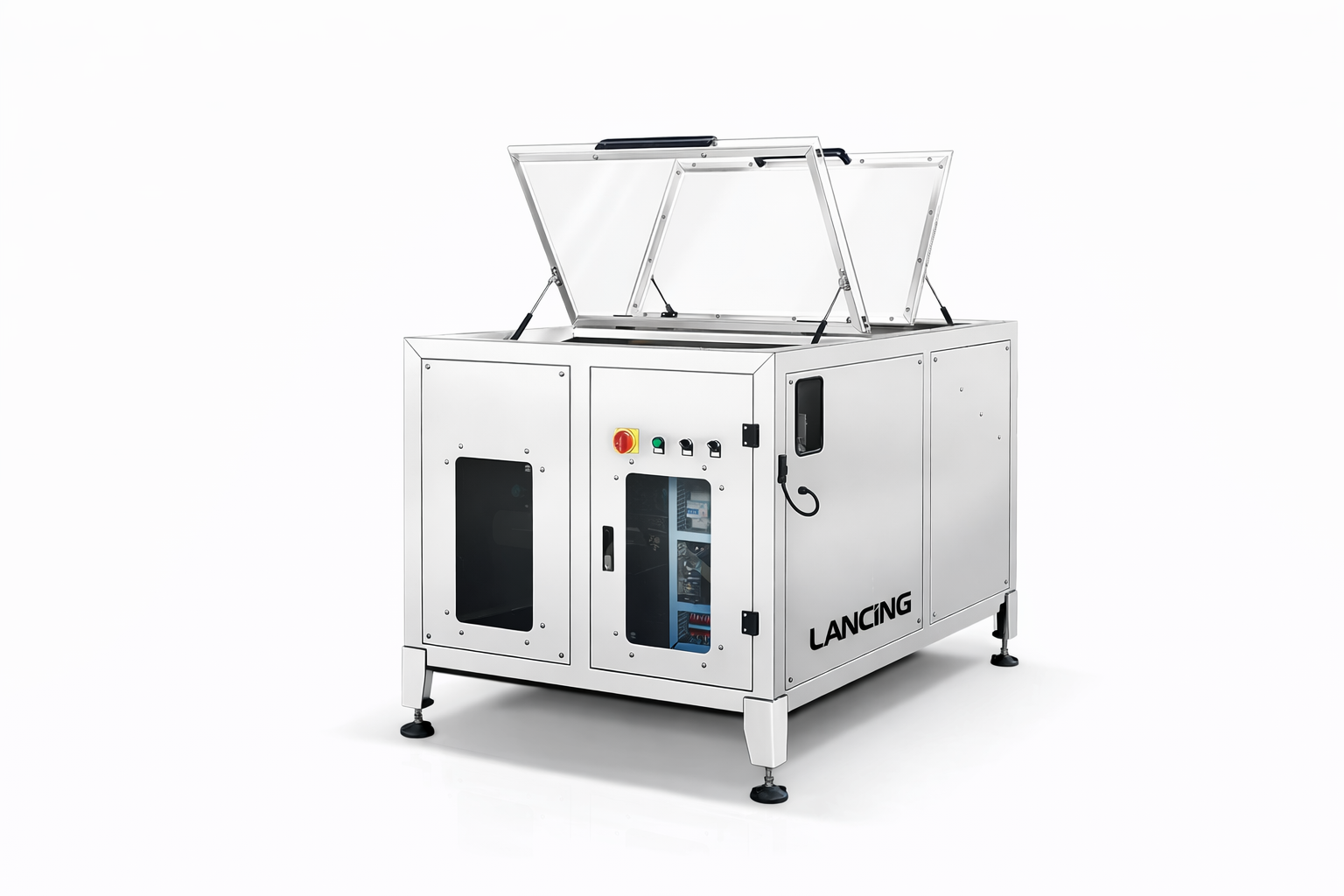
Lancing UK can advise whether a compact rotary unscrambler, automatic bottle unscrambler or wider line-infeed package is the correct route.