
Bottle information
Record the bottle diameter, height, base shape, material, empty weight, neck finish, shoulder profile and whether the bottle is round, oval, square or shaped.
Specification checklist
A stronger bottle unscrambler enquiry gives a faster, more accurate shortlist. Gather the bottle, speed, line layout and downstream machinery information before requesting advice.
Specification advice
Record the bottle diameter, height, base shape, material, empty weight, neck finish, shoulder profile and whether the bottle is round, oval, square or shaped.
Confirm target bottles per minute or bottles per hour, conveyor height, available floor space, downstream machine type, direction of travel and whether the line needs accumulation.
Include changeover frequency, cleaning requirements, operator loading method, future bottle formats and any current problems such as tipping, bridging, starvation or manual correction.
What to check
For a practical shortlist, send the bottle dimensions, target output, container photos and the downstream equipment details. Lancing UK can then advise whether a compact rotary route, automatic bottle unscrambler or wider infeed solution is the better starting point.
Request a bottle unscrambler shortlist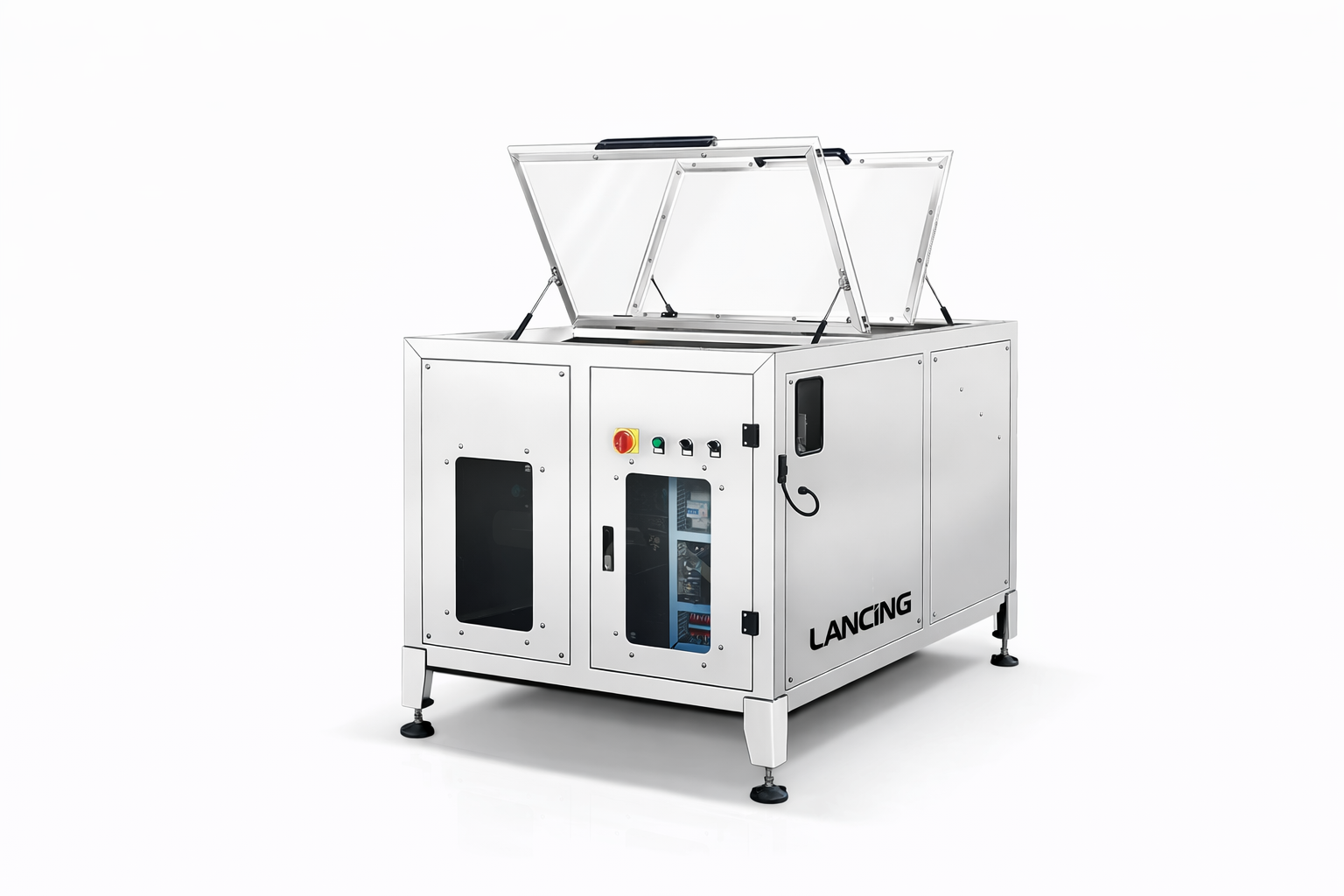
Buyer checklist
Bottle diameter
Bottle height
Empty weight
Target output
Conveyor height
Downstream machine type
Questions
Bottle dimensions, target output, line layout and downstream machine details are the most important starting points.
Yes. Photos of the bottle and existing line layout make it easier to understand the practical integration issue.
Related pages
Continue the bottle unscrambler specification process with this related page.
Continue the bottle unscrambler specification process with this related page.
Continue the bottle unscrambler specification process with this related page.
Continue the bottle unscrambler specification process with this related page.
Add an exceptions list to the dimensional specification. Identify unstable bottles, unusual shapes, inconsistent batches, containers prone to nesting and formats that are only planned for the future. This helps the supplier distinguish a firm acceptance requirement from an option that still needs investigation.
Make the output requirement observable. State where accepted bottles are counted, the run duration and the interruptions that should be included. Keep requirements for bulk loading, buffering and orientation separate so the proposed scope explains which functions are supplied and which remain with existing equipment.
Use the same bottle register, operating sequence, handover point and included accessories for every proposal, and list unresolved assumptions explicitly.
Specification support
Lancing UK can advise whether a compact rotary unscrambler, automatic bottle unscrambler or wider line-infeed package is the correct route.